Blog

  • Launch Week for Rejected!

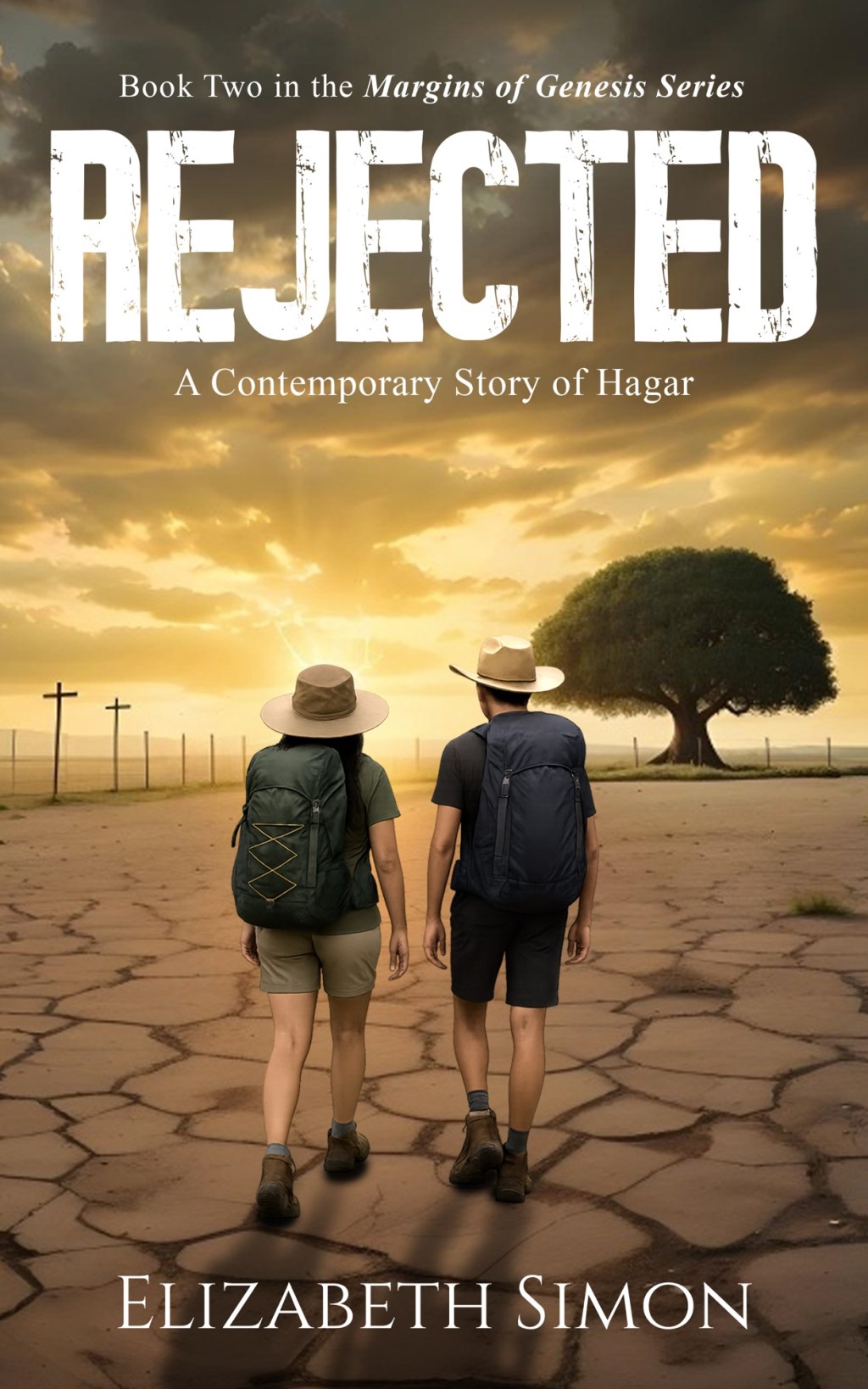
    Launch week for Rejected has finally arrived, and I could not be more excited to share Helena’s story with readers. This book sits at the heart of the Margins of Genesis series because it explores survival, identity, and hope with honesty and courage. Helena’s journey moves through captivity, loss, and reinvention, and it follows her fight to reclaim the name she was born with. It honors every person who has ever felt unseen or unwanted yet still dared to rise.

    The ebook edition of Rejected will be available on Friday, and the paperback and hardcover editions arrive next Monday. The release of a new story always brings a rush of anticipation, and this one feels especially meaningful. Helena’s path required deep emotional work to write, and launch week offers a moment to celebrate both the character and the readers who have already reached out to say how much her perspective matters.

    Throughout the week, I will share character insights for the main characters. Each post will invite readers to step further into the world of the Margins of Genesis and discover how modern stories can illuminate ancient themes in new ways.

    Thank you for supporting this series and welcoming Rejected into your reading life. Launch week is a celebration of story, community, and the strength that can rise from the margins. I hope Helena’s journey resonates with you, encourages you, and stays with you long after you turn the final page.

    Here is to release day, hope, and a week filled with meaningful connection.

    Buy Rejected on Amazon.

  • How Fiction Can Raise Awareness: Bridging Story and Advocacy

    Stories shape the way we see the world. Long before we had data dashboards or policy papers, we had narratives. Stories were passed around fires, whispered in kitchens, shared between people trying to make sense of their world. Fiction still holds that power. It can open doors, spark questions, and invite readers into experiences they may never face personally. In doing so, fiction becomes a bridge between storytelling and advocacy.

    Fiction Makes Hard Topics Accessible

    Advocacy often begins with understanding, but some issues feel too heavy, too complex, or too overwhelming to approach head-on. Fiction helps readers enter those spaces gently. A novel can illuminate the realities of human trafficking, abuse, trauma, systemic injustice, or marginalized experiences without requiring the reader to start with a textbook or a government report.

    Through character, voice, and emotion, fiction invites readers to feel the stakes rather than simply learn about them. They empathize with someone’s fear, hope, or resilience. They suddenly understand why an issue matters because they’ve walked beside a character who cannot look away.

    Characters Create Connection, and Connection Drives Change

    Statistics may inform, but stories transform. A reader may forget a statistic within minutes, but a character they love stays with them for years. When readers see themselves or someone they care about in a fictional character, the issue becomes personal. This is the quiet power of fiction as advocacy.

    A teenager reading about a character facing exploitation begins to recognize red flags in her own relationships. A parent better understands their child’s trauma triggers after seeing a fictional character react in similar ways. A community member becomes aware of vulnerabilities they’ve never considered before such as gaps in systems, blind spots in institutions, the unseen labor of survivors trying to rebuild.

    Fiction humanizes issues that are too often flattened or misunderstood.

    Stories Start Conversations

    When readers finish a novel that raises awareness, they usually want to talk about it. They discuss scenes that moved them, relationships that challenged them, and injustices that angered them. This conversation spreads beyond the page. Book clubs choose novels that address social themes. Readers share quotes, scenes, and emotional takeaways online. Educators bring fiction into classrooms to help students explore empathy and ethics. Community groups use novels as a starting point for advocacy discussions.

    A book becomes a catalyst, a way to introduce difficult topics without needing to carry the entire emotional weight in one conversation.

    Fiction Honors Real Survivors Through Imagination

    When authors write responsibly, fiction can honor the stories of real survivors. It can highlight truths that are often hidden or minimized, while still giving readers space to breathe, process, and reflect. Fiction does not replace lived experience, but it can amplify survivor-informed themes such as: power imbalances, grooming and coercion cycles of control, the realities of leaving, and the long process of healing.

    Advocacy begins with awareness, and fiction is uniquely positioned to shine a light on what many never see.

    Stories Inspire Action

    Awareness is the first step. Action is the next. When readers finish a novel that blends storytelling with advocacy, they often ask, “What can I do now?”

    That is the moment a book becomes more than entertainment. Readers volunteer, donate, share resources, or simply start paying more attention. They become more empathetic, more informed, and more willing to notice when something feels off in their own communities.

    Fiction gives readers emotional stakes. Advocacy gives them direction. Together, this can create great momentum.

    Bridging Story and Advocacy Is Not Only Possible. It’s Powerful

    When fiction raises awareness, it does more than educate. It awakens compassion. It gives voice to the voiceless. It breaks silence around issues that thrive in the dark. And it reminds readers that while characters may be imagined, the issues they face are real. That’s the heart of story-driven advocacy: using narrative to illuminate truth, encourage empathy, and inspire meaningful change one reader at a time.

    Distressed (Coming in 2026)

    The upcoming novel Distressed continues this bridge between storytelling and advocacy. It explores the impact of spiritual trauma through the eyes of characters who long for faith, love, and belonging while navigating the harm caused by distorted teaching and unhealthy power structures.

    Distressed follows Isaac and Rebecca as they fight to break cycles of fear and manipulation. Their journey reveals what spiritual trauma feels like from the inside. It also highlights the courage required to reclaim identity, rebuild trust, and rediscover faith that heals rather than harms.

    The story invites readers to understand spiritual trauma through emotion instead of doctrine. Readers experience the confusion, longing, grief, and hope that shape Isaac’s journey. They also witness the resilience that grows when survivors finally find safe relationships and supportive communities. By weaving advocacy through character-driven storytelling, Distressed raises awareness with compassion and clarity.

    The novel will be released in 2026. It will join the larger conversation about healing from religious harm and reclaiming spiritual freedom. Readers who have experienced spiritual trauma will feel seen, and readers who have not will gain a deeper and more empathetic understanding.

  • What Human Trafficking Taught Me About Faith & Freedom

    I didn’t grow up imagining I would one day write a modern retelling of Hagar’s story, much less one set against the brutal reality of human trafficking. I began writing Rejected with a simple desire: to explore the heart of a woman who felt unseen, unheard, and unprotected. I wanted to understand what it means to run from the very people who should have offered refuge. I wanted to understand Hagar’s courage.

    But the deeper I went into Helena’s world, the more I realized I wasn’t just writing a novel. I was stepping into a truth I could no longer un-know. The coercion disguised as affection and the promises that turn into chains are a reality for so many people, both children and adults, across the world.

    Human trafficking taught me about faith. It taught me about freedom.

    Faith Became Something Gritty

    When I began learning about trafficking, I didn’t expect the stories to collide with my faith the way they did. I had always thought of faith as something lifted, eyes up, heart open. But survivor stories taught me that faith is often something scraped together in the dark. It’s whispered from bathroom floors. It’s swallowed tears and silent prayers. It’s a trembling breath that says, “Lord, if You see me, show me.”

    Faith became less about certainty and more about presence, the kind that enters the wilderness with you. Hagar taught me that. Helena taught me that. Every survivor I learned from reinforced it: faith is the strength to believe your worth before the world ever confirms it.

    Freedom Began With Truth

    Writing about trafficking forced me to confront what freedom actually means. It isn’t simply the absence of chains or the ability to walk through an open door. It isn’t even escape.

    Freedom can be truth. It’s the truth about who you are. It’s the ability to share what happened to you without judgment. It’s the truth about your dignity, even when the world treats it like it’s disposable. Survivors taught me that freedom looks like reclaiming your own name, your voice and the story someone tried to rewrite for you.

    In Scripture, God calls Hagar by name, something no one else in her household ever bothered to do. That moment is where her freedom begins. She is finally seen.

    Human trafficking taught me that freedom starts with seeing people and refusing to let exploitation hide behind silence.

    Trauma and Theology Walked Into the Same Room

    Before this project, I had never placed theology and trauma side by side. I never imagined that biblical study would intersect with hotline transcripts, survivor interviews, and nonprofit training manuals. Yet they met each other in every chapter of Rejected.

    Trauma asks hard questions. Faith holds the space for them.

    Trauma says, “Love shouldn’t hurt.” Faith says, “You were made for more.”

    Trauma says, “Why didn’t anyone come for me?” Faith says, “I was with you even in the wilderness.”

    Human trafficking made my theology less tidy but far more true. It pulled my faith out of the pews and carried it into the alleys, the shelters, the courtrooms, and the messy middle where healing actually happens.

    I Learned That Advocacy Is a Spiritual Practice

    The deeper I went into research, the clearer it became: learning about trafficking is not an academic exercise. It’s an invitation. It’s a stewardship of awareness. Once your eyes open, they don’t close again.

    Advocacy is worship, and awareness leads to action.

    I can’t undo what happens to girls like Helena, but I can refuse to look away. I can use my words to illuminate the corners where exploitation hides. I can shift the narrative from shame to dignity, from silence to truth, from despair to hope. And that, for me, is faith lived out loud.

    In the End, Human Trafficking Taught Me This Faith is not fragile. Freedom is not theoretical. Both are fought for through prayer, in community, in policy, and in storytelling.

    Human trafficking taught me to see the God who pursues the lost girl running through the desert, the God who meets the one who has been cast out, the God who restores what was taken, and the God who writes endings fuller than the beginnings we endured. God hears those who are in the margins, those who cry out to Him in the desert of their lives, those who may not even know who it is they’re calling out to.

    Writing this story taught me that faith and freedom are intertwined gifts, ones we have to protect, honor, and extend to others. Stories like this can be bridges, lanterns, deliverance for people who have often been forgotten or rejected.

    I wrote Rejected because Hagar’s story deserves to be heard again. I finished it because Helena’s story demanded it.

  • Why I Re-Imagined Hagar’s Story in a Modern Setting

    When I began writing Rejected, I set out to create a biblical retelling, a modern re-imagining of Hagar’s life with emotional depth, contemporary realism, and the fullness her story deserves. From the first page, my intention centered on bringing Hagar into our world, allowing readers to meet her not as a distant figure in an ancient text, but as a living, breathing girl whose experiences still echo today.

    Hagar’s story carries themes of survival, agency, identity, and divine attention. These themes flourish in a modern setting, giving readers a chance to feel her journey through familiar environments, relationships, and pressures.

    A Modern Setting Reveals Hagar’s Humanity

    A contemporary landscape places Hagar in spaces readers recognize. Schools, neighborhoods, workplaces, and broken systems all show the kinds of pressures and vulnerabilities that still shape girls and women today.

    A modern lens highlights the emotional burden of being used for the benefit of others, the consequences of decisions made by people in power, the courage required to survive difficult circumstances, and the spiritual and personal awakening that follows suffering.

    This approach allows Hagar’s story to connect intimately with readers who have walked similar paths or witnessed them up close.

    Research Turned the Story Into Something Larger

    When I started drafting, my primary focus was the biblical narrative, grounding every plot decision in the emotional truth of Hagar’s experience. As I researched modern parallels to her story, I encountered a deep well of information about coercion, exploitation, family vulnerability, and the countless ways young people become trapped inside systems stronger than they are.

    This research added layers of realism and urgency to the book. It shaped characters, environments, turning points, and internal wounds. Hagar’s ancient experience illuminated modern realities, allowing the novel to carry both emotional truth and social awareness.

    Retelling Hagar’s Story Elevates Her Strength

    Hagar’s courage defines her story. She leaves harmful environments. She protects her child with fierce devotion. She speaks with God directly and names Him from her own revelation. She builds a life after abandonment.

    A modern retelling honors these qualities through characters who navigate contemporary forms of rejection, resilience, and rebirth. It highlights Hagar as a girl who carries sacred strength within her, a strength that still resonates today.

    Hagar’s Story Speaks Powerfully Into Today

    Re-imagining Hagar in the present day allows her voice to rise with clarity. Her journey reflects experiences that many people still live such as strained family dynamics, spiritual confusion, the search for belonging, unexpected sources of hope, and the discovery of identity after hardship.

    Her story shows the God who sees, the God who hears, and the God who meets people in the wilderness of their lives, whether that wilderness exists in ancient deserts or modern cities.

    A Retelling Creates Space for Healing and Reflection

    Rejected offers a space where readers can explore faith, trauma, survival, relationships, and redemption through a character whose story has always deserved more attention. Hagar’s modern counterpart gives readers someone they can relate to, root for, and learn from. Her journey becomes a bridge between ancient text and contemporary experience.

    Buy Rejected to Learn More

    The Rejected ebook is available for preorder today and will be released on Black Friday. The paperback and hardcover will be released on December 1st.

  • Character Spotlight: Roxy — The Quiet Tragedy Behind Human Trafficking

    When readers meet Roxy in Rejected, she isn’t introduced with dramatic flair. She isn’t a villain or a hero. She isn’t even fully awake.

    She opens a door with sleep-swollen eyes and a satin robe sliding off one shoulder, a girl barely older than Honey and yet already worn thin by the life she’s been forced to live. Her hair is tangled, her sleep mask pushed up like someone who hasn’t had a good night’s rest in years. Her voice is flat. Her movements are automatic.

    She is the very picture of survival without safety.

    Roxy is one of the many young women inside La Mansión de Tampico, a trafficking hub hidden beneath the façade of glamour, wealth, and false promises. She becomes Honey’s “trainer,” not because she wants to be, but because she has no choice. Choice is a luxury Roxy hasn’t had in a long time.

    And that’s what makes her so important.

    Roxy Represents the Girls Who Don’t Get Headlines

    Human trafficking stories often focus on the dramatic rescue—the big raid, the escape, the moment of freedom. But most victims don’t experience a cinematic rescue. Most of them survive by doing what Roxy does: shut down emotionally, follow orders, avoid attention, cope through routine.

    Roxy’s cold demeanor isn’t cruelty. It’s self-protection. Trauma teaches victims to conserve energy, avoid attachment, and stay invisible. When Honey arrives, frightened and bleeding from her first period, Roxy doesn’t hug her. She doesn’t comfort her. She simply teaches her how to use a tampon, where the makeup is, how to pick out lingerie, and when she’s allowed to sleep.

    It’s transactional because everything in Roxy’s world has become transactional.

    This is the reality for many trafficking victims:

    1) They are children forced into adult roles.

    2) They become caregivers when they themselves need care.

    3) They learn to harden to survive.

    Roxy isn’t hardened by nature—she’s hardened by necessity.

    The System That Breaks Girls Like Roxy

    Roxy didn’t choose this life. None of the girls at the mansion did. They were manipulated, coerced, or stolen. By the time they end up in rooms like the one with the iron numbers “109” nailed to the door, they’ve already been stripped of their freedom, their voice, their childhood, their belief in rescue.

    Trafficking isn’t always chains and cages. More often, it’s coercion, control, and exploitation disguised as opportunity.

    Roxy once had a family, a future, dreams, but the cartel system consumed them piece by piece until she became what Honey sees:

    1) A girl who knows the rules too well.

    2) A girl who no longer asks for more.

    3) A girl who sleeps during the day because she is forced to work all night.

    She is the face of what long-term exploitation does to the human spirit.

    Why I Wrote Roxy This Way

    In Rejected, girls like Roxy remind us that victims are not one stereotype. They aren’t always loud, defiant, or visibly broken. Many of them are quiet. Many of them are numb. Many are still children inside bodies that have been used for adults’ desires.

    Roxy’s character was intentionally created to reflect:

    1) The emotional exhaustion of long-term trafficking

    2) The hierarchy enforced inside brothels

    3) The way girls mentor each other because no one else will

    4) The psychological toll of surviving through routine rather than hope

    She is not the main character of Rejected, but her presence shapes the emotional truth of the story. Through her, readers get a glimpse of the thousands of girls whose stories are never told but whose suffering is real, ongoing, and overlooked.

    Why Roxy Matters And Why Awareness Matters Even More

    Human trafficking is not fiction. It is not distant. It happens inside homes, hotels, ranches, and neighborhoods all over the world. In the United States, victims come from: foster care, migrant communities, domestic violence situations, poverty and homelessness, and online grooming.

    In Mexico and Central America, many victims are taken with the same promises Honey received: food, work, safety, a better life. Roxy represents the girls who didn’t get Honey’s ending. The girls still trapped. The girls who don’t know rescue is coming. The girls who are still being bought, used, and forgotten.

    How You Can Help Victims Like Roxy

    The trauma of trafficking lasts a lifetime. Survivors like Honey and the real women she represents carry deep wounds long after they escape.

    There are organizations doing powerful work to fight trafficking, including:

    1) The Mekong Club

    2) Street Grace

    3) El Pozo Devida

    4) Love 146

    5) The A21 Campaign

    If Rejected moved you, I encourage you to look into at least one of these organizations and consider supporting their work. Small actions make a difference. Awareness saves lives. Advocacy strengthens prevention. Donations support rescues and rehabilitation.

    Help women like Honey.

    Help women like Roxy.

    Help the ones who are still inside the darkest places and the ones now struggling with the trauma that followed them out.

    Final Thoughts

    Roxy may not be the loudest character in Rejected, but she is one of the most important. She is a reminder that survival often looks quiet. Trauma often looks tired. And saving lives begins with seeing the girls the world overlooks.

  • 🌾 Before Rejected, there was Barren 🌾

    If you’ve ever wondered how Patrona Isa and Amo Abe’s story began, Barren holds the answers. This powerful prequel reveals the heartbreak, sacrifice, and faith that set the stage for everything that follows in Rejected.

    📖 Read Barren FREE on Kindle Unlimited

    💻 Or grab the ebook for just $2.99 — available Nov 2 – Nov 8 only!

    Don’t miss the story that started it all.

    👉 https://a.co/d/h26Ust2

    #BarrenNovel #RejectedNovel #ElizabethSimon #ChristianFiction #WomensFiction #KindleUnlimited #FaithAndRedemption #NewRelease

  • Character Spotlight: Maria — The Quiet Rebel

    In Rejected, Maria moves through the shadows of Jefe Hernández’s mansion in a world ruled by cruelty, silence, and fear. As the head servant, she has survived long enough to learn the cost of obedience. Yet beneath that practiced calm lies something the cartel can’t crush: compassion.

    When Jefe commands her to “get” the newly crowned Miss Teen Tamaulipas, Maria hesitates before asking, “As a wife, Señor?”

    That single question, soft and almost whispered, is rebellion. It’s the first crack in the wall of blind compliance.

    Later, when the empire begins to crumble, Maria does something no one expects. She slips a forged passport into the protagonist’s hand and says:

    “This is your chance, child, to escape all of this. Once you’re in the United States, you’ll be free.”

    With that act of courage, Maria becomes more than a survivor. She becomes a rescuer.

    Why Maria Matters

    Maria’s story reminds us that resistance doesn’t always roar. Sometimes it’s found in the smallest defiance—a question, a pause, a risk taken in the dark. She represents the women who endure unimaginable abuse yet still reach back to pull someone else out. Her bravery is not loud, but it changes lives.

    “She said I was free to go with Señora Isa to Texas. Just like that.”

    -Honey

    📖 Rejected releases Black Friday 2025.

    Preorder today and join the movement to raise awareness of human trafficking and the power of redemption.

    👉 Preorder now »

  • Character Spotlight: Jefe Hernández — The Pharaoh of Tampico

    In Rejected, Jefe Hernández stands as one of the most chilling figures, a man whose power mirrors Pharaoh’s in the biblical story of Hagar and Sarai. He is not merely a villain; he’s the embodiment of systemic control, corruption, and the cruelty that thrives when power goes unchecked.

    👑 The King of Tampico

    Jefe Hernández rules over La Mansión de Tampico, a fortress-like estate that doubles as the headquarters of a powerful Mexican cartel. Known simply as el jefe, he commands his empire through fear and violence. His word is law, and disobedience means death. When his wife, Señora Aitana, betrays him, she vanishes without a trace, and everyone in the mansion knows better than to ask questions. In Hernández’s world, silence is survival.

    🕸️ The Web of Power

    His reach extends far beyond his estate. Through a vast network of halcones (lookouts) and espías (spies), he tracks every debt, every betrayal, every sign of weakness. When Isabelle Serug is brought into his household, she isn’t chosen. She’s taken. Her family’s cooperation is bought with lavish gifts and unspoken threats, Range Rovers, horses, and cash, ensuring their silence while she becomes another possession in his collection of obedience.

    🩸 The Consequences of Defiance

    What makes Jefe Hernández so terrifying is how ordinary his cruelty feels to those around him. The people in his mansion didn’t choose to work there, but they can’t leave. His violence is systemic, not spontaneous, a reflection of the real-world networks that profit from the exploitation of the vulnerable while society looks away. Hernández is both a man and a mirror: his empire thrives on silence.

    🔥 The Fall of a God

    When the hurricane hits, it isn’t just a storm—it’s divine justice. The empire begins to crumble, and even the self-proclaimed jefe finds himself powerless against the chaos he once controlled. His fall mirrors Pharaoh’s plague-ridden downfall in Scripture—a stark reminder that power without compassion always ends in ruin.

    ✝️ The Modern Pharaoh

    In Elizabeth Simon’s retelling, Hernández represents the Pharaoh of Genesis 12, who takes another man’s wife and faces God’s wrath for it. His story isn’t about one man—it’s about the systems that still allow power to hide sin behind wealth and influence. Rejected forces readers to confront this truth: no empire built on exploitation stands forever.

    Rejected by Elizabeth Simon is now available for preorder on Amazon.

    👉 Preorder your copy here.

  • Character Spotlight: Ruby and Crystal – The Keepers of Control

    In Rejected, every survivor carries a story, and every villain hides behind a smile.

    Ruby and Crystal, the women who greet the children upon arrival at La Mansión de Tampico, are among the most chilling figures in this world of deception and exploitation.

    At first, they seem almost maternal.

    Ruby, the shorter and softer-spoken of the two, coaxes the frightened girls with warm tones and false reassurances. She teaches them how to use tampons, makeup, and manners, all under the guise of care. Crystal, tall and poised, embodies authority wrapped in silk. Her words are measured, her eyes unyielding. Together, they orchestrate the grooming, turning innocence into obedience, fear into performance.

    “We’re going to help you get ready for your new jobs,” Crystal said with a smile that never reached her eyes.

    Their charm is their weapon. Ruby’s gentle demeanor disarms; Crystal’s discipline ensures compliance. The pair move through the mansion like twin serpents, one whispering comfort, the other enforcing control. Each step, lesson, and “reward” becomes part of the conditioning designed to erase the children’s sense of self.

    As the story unfolds, readers glimpse their complicity in the trafficking ring — the women behind the locked doors and the cameras, the ones who praise the girls for their “maturity” and punish those who resist. Yet even in their cruelty, Rejected reveals the system that made them this way: women once powerless who learned to survive by aligning with power, perpetuating the same cycle of exploitation they once endured.

    Ruby and Crystal represent the most unsettling truth of Rejected: that evil does not always look monstrous. Sometimes, it wears perfume and pearls.

    📖 Read their story in Rejected, a redemptive and haunting novel of survival, faith, and the fight to be seen.

    Now available for preorder on Amazon:

    👉 https://a.co/d/igrCn5n

  • 💔 Character Spotlight: Sugar

    From the novel Rejected by Elizabeth Simon

    When Ruby first renamed her, she said it was because she was “sweet as azúcar.” Sofia became Sugar that day, and she tried hard to live up to the name.

    Even in a house full of fear, Sugar searched for something good to hold onto. She laughed when she could, comforted the younger girls, and believed, at least for a little while, that kindness might keep them safe.

    But survival came at a price. Sugar learned to obey, to smile when she wanted to cry, to find strength in silence. She became the older sister everyone leaned on, the one who whispered hard truths like:

    “I don’t want those men touching me.”

    She and Honey clung to each other through every dark moment. In a world designed to break them, Sugar refused to lose her humanity.

    She is not just a victim. She is a survivor.

    #Rejected #ElizabethSimon #CharacterSpotlight #FaithThroughDarkness #HumanTraffickingAwareness #ChristianFiction #HopeInHardPlaces #BookLaunch